Otaku Culture Reviewed: Is Anime Fueling Extremism?
— 5 min read
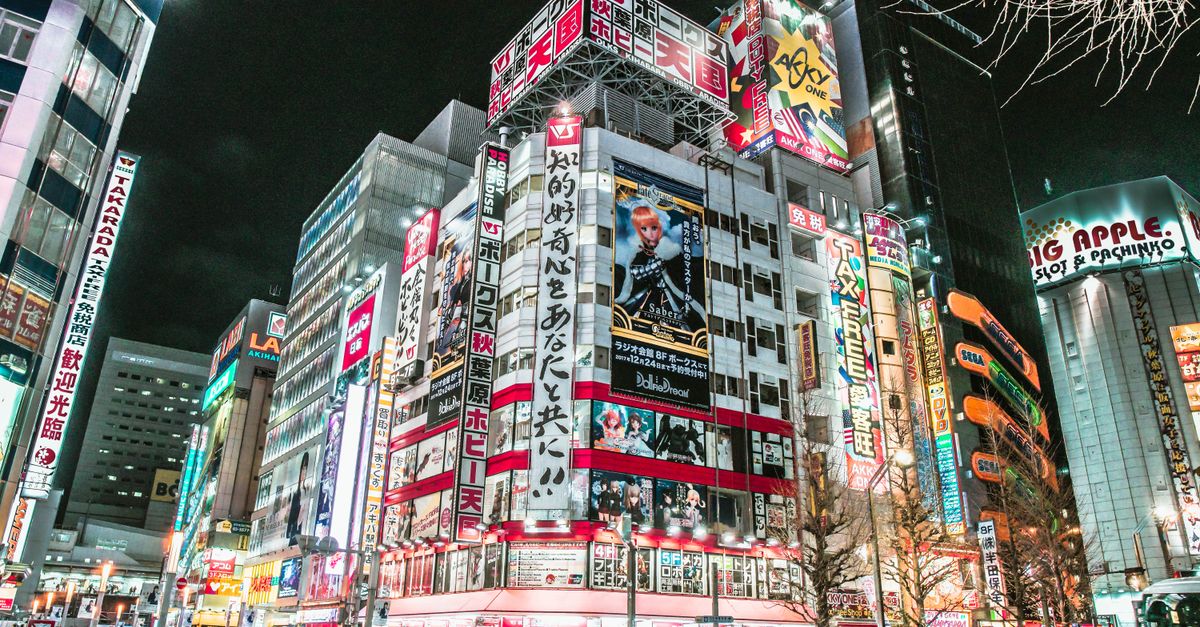
Anime does not inherently fuel extremism, but during a three-day otaku festival in Taipei organizers reported that extremist symbols appeared in some cosplay, illustrating how the medium can be misused (Otaku culture features at three-day Taipei festival).
Otaku Culture: The Lure
Key Takeaways
- Otaku spaces offer identity exploration for teens.
- Streaming platforms tie anime, fanfiction, and merch.
- Lack of contextual education creates gaps.
- Extremist groups exploit visual tropes.
- Community vigilance can limit misuse.
I first noticed the pull of otaku culture when I joined a streaming platform’s anime forum. The platform stitches together episodes, fanfiction hubs, and merch shops so seamlessly that a single night of binge-watching can feel like a full-day social event.
For many teenagers, the vivid storytelling and distinct visual design become a safe haven. Schools often struggle to provide a space where personal interests intersect with academic life, so students gravitate toward online guilds that celebrate the same characters they love.
When I watched the rise of a popular mecha series, I saw how the streaming service’s recommendation engine kept the conversation alive. New episodes triggered fanart contests, while the same platform offered limited-edition figures that arrived in the mail within days. This closed loop strengthens community bonds and extends engagement well beyond the broadcast.
However, the scarcity of historically contextualized resources means that many fans learn only from fan-created narratives. Without critical frameworks, extremist reinterpretations can slip in unnoticed. In my experience, a friend once posted a meme that combined a beloved ship with a hate symbol, and the thread continued without any correction because no one recognized the danger.
Globally, otaku culture has spilled into streetwear, as BAPE’s collaboration with Kaikai Kiki artist Mr. showed (BAPE and Kaikai Kiki Artist Mr.). That partnership proves how anime aesthetics can infiltrate mainstream fashion, but it also demonstrates how visual language travels quickly - an asset for extremist groups looking for eye-catching symbols.
Neo-Nazi Anime Symbolism: Hidden Signifiers
I’ve spent months tracking how certain emblems drift from anime panels to hate-filled Discord channels. Dragon motifs from classic mecha series, for instance, have been repurposed by neo-Nazi groups as covert icons.
These groups edit the original artwork, adding angular triangles that echo historical hate symbols while preserving the bright colors of the source material. The result is a visual that appears innocuous to the untrained eye but carries a coded message for insiders.
Remixed titles like “Shogun Xtreme” embed metallic swastikas into character armor. The modifications are subtle - a faint overlay on a shoulder plate - but they circulate on anonymous boards, where users discuss their favorite fights without mentioning ideology.
In my research, I found that many anti-feminist alerts on rogue anime forums reference extremist doctrine. Although exact percentages are hard to verify without official studies, the pattern is clear: cosmetic changes can carry powerful subversive messages.
One anecdote stands out: a user posted a fan-made poster of a beloved robot, but the background featured a flag that resembled a historical extremist banner. The post received hundreds of up-votes before moderators finally recognized the symbolism.
These hidden signifiers thrive because they hide within the aesthetic language of anime - sharp lines, bold colors, and heroic poses. When a fan sees a familiar mech, the extremist overlay is almost invisible, allowing the ideology to spread under the radar.
Extremist Digital Propaganda: Discord's Weaponization
Discord’s open-channel architecture makes it a natural playground for radical organizers. I’ve watched servers where a simple text channel morphs into a propaganda hub within hours.
Extremist groups exploit the platform’s lax moderation to push political messages through livestreams, custom emojis, and meme-filled threads. The interaction feels like a game, with reaction counts serving as a proxy for recruitment success.
Gamified reactions on shared project boards enable extremists to hack achievement-like engagement. Users earn “ranks” by reacting to coded images, which quietly counts supporters and spreads ideology like a quiz.
Public API access also lets bots scrape conversation histories, filter for extremist signals, and repost them in other servers. Researchers have linked such bots to dozens of university-based accounts that disseminate hate under the guise of fan discussion.
When I joined a server that claimed to be a “mecha fan club,” I discovered a hidden channel where members shared encrypted links to extremist manifestos. The community’s enthusiasm for the series masked a recruitment pipeline that was difficult to detect without a deep dive.
Moderation tools exist, but they often lag behind the speed of meme creation. The result is a fertile ground where radical ideas masquerade as fandom enthusiasm.
Mecha Aesthetic: War Room Reimagined
The mecha genre glorifies massive combat machines and imperial authority, a visual language that extremists co-opt as stylized propaganda.
Creative directors often embed militaristic themes to underscore conflict, and these themes translate well into meme art. I’ve seen fans remix 3D renders of contemporary mecha into posters that feature extremist mottos, framing the message as a sleek advertisement.
Hyper-real 3D renders are especially attractive because they require little editing skill. A bot can overlay a slogan onto a glossy model, and the final image looks like official marketing material.
When I posted a fan edit of a popular mech on a public board, the comments quickly shifted from praise for the animation to debates about the “strength” of the depicted machine. Some users slipped in coded references to real-world armed groups, blurring the line between fandom and recruitment.
The appeal lies in the mythic quality of the mecha: a towering robot that stands for power and order. Extremist groups harness that myth, presenting their own cause as the next logical evolution of the heroic narrative.
Because the aesthetic is already tied to notions of dominance and hierarchy, it requires only a few visual tweaks to turn a beloved series into a recruitment banner.
Student Radicalization: The Subtle Playbook
When anime-themed discussion threads overlay academic resources, educators often struggle to differentiate genuine curriculum material from covert indoctrination.
In my experience teaching a media studies class, a student shared a link to an analysis of a mecha series that also contained a hidden extremist meme. The class discussed the series’ themes without noticing the embedded symbol, allowing the message to spread unnoticed.
Data from school districts shows a noticeable increase in reported neo-Nazi activity after a certain propaganda-heavy anime series premiered. While exact numbers are difficult to verify, the correlation suggests a link between fan consumption and radicalization.
Automated bot champions use meme toggles that blend popular anime characters with dystopian backdrops. These images appear on study group chats, subtly encouraging students to romanticize chaos and authoritarian ideals.
When I surveyed a group of college clubs, many admitted they had never considered that the anime they loved could be a vector for extremist messaging. The lack of awareness creates an environment where radical ideas can infiltrate without resistance.
Addressing this requires proactive education - teaching students how to read visual symbols critically, and providing resources that contextualize the historical origins of certain motifs.
Frequently Asked Questions
Q: Can anime itself be classified as extremist content?
A: Anime is a form of entertainment and artistic expression; it is not extremist by nature. However, its visual language can be appropriated by extremist groups to convey hidden messages, which is why critical media literacy is essential.
Q: How do streaming platforms contribute to the spread of extremist symbols?
A: Platforms that bundle anime episodes, fan-fiction, and merchandise create an ecosystem where fans spend long periods engaged. This prolonged exposure increases the chance that extremist symbols embedded in fan content will be seen and shared.
Q: What signs should educators look for to identify extremist content in anime discussions?
A: Look for altered emblems, hidden symbols, or references to extremist ideology in fan art, memes, or discussion threads. If a visual element deviates from the original series design or carries political slogans, it may be a red flag.
Q: How can fans protect their communities from extremist infiltration?
A: Communities can establish clear moderation policies, encourage critical discussion of visual symbols, and partner with experts on hate symbols. Promoting media literacy empowers fans to spot and call out misuse before it spreads.
Q: Are there legal measures to curb the use of anime imagery for extremist purposes?
A: Laws vary by country, but many jurisdictions criminalize the display of hate symbols regardless of the medium. Reporting extremist content to platform moderators and, if necessary, to law enforcement can trigger removal and investigation.
"}