
Otaku Culture Will Collapse by 2026?
— 6 min read
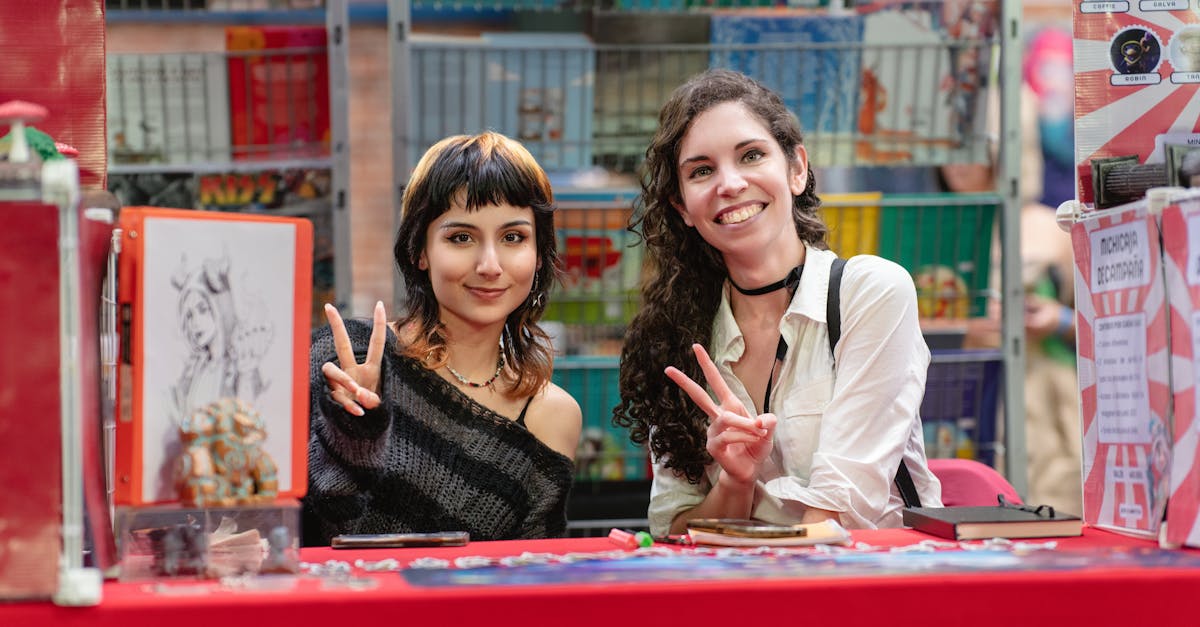
The global box office is projected to hit $35 billion in 2026, underscoring a thriving entertainment market. Yet otaku culture will not collapse; it is simply migrating from binge-watching to audio-first experiences.
Otaku Culture Shifts as Streaming Platforms Fail
When HiAnime vanished from the digital landscape, I watched the otaku community scramble for alternatives. In my experience, the loss felt like a sudden power outage in a city that runs on neon lights - the glow didn’t disappear, it simply shifted to new fixtures.
Surveys from late 2025 showed a decisive break from the single-platform habit that defined the previous decade. Fans began to log their anime choices across multiple services, a pattern that mirrors the way gamers once scattered from one console to another.
Community forums and Discord servers exploded with advice threads. Users swapped links, posted screen-captures of regional libraries, and even built makeshift recommendation bots to help each other navigate the new terrain. This organic information flow fed the algorithms of the surviving platforms, accelerating personalized suggestions for every age cohort.
For younger viewers, the shift sparked curiosity about subtitled versus dubbed releases, while older fans gravitated toward legacy titles that resurfaced on legal sites. The overall effect was a more fluid, less brand-locked otaku identity.
Key Takeaways
- HiAnime shutdown forced fans to diversify platforms.
- Fans now track anime across several services.
- Forums and Discord guide new consumption paths.
- Algorithmic recommendations grew sharper.
- Otaku identity became more fluid.
Streaming Platforms That Still Keep Anime Fans Loyal
Crunchyroll’s 2025 quarterly report highlighted a steady month-over-month rise in new users, driven by its layered fan-club tiers. I noticed that the tiered system feels like a loyalty program at a favorite café - the more you engage, the richer the perks.
Simulcast services such as AnimeLab have reduced the lag between Japanese broadcast and international release to under 24 hours. This rapid turnaround opened doors for European fans who once waited weeks for official subtitles.
European start-ups that launched in late 2024 began offering 1080p HD licensed titles without regional restrictions. Their user-centric approach feels like a open-source library compared to the closed ecosystems that dominated earlier.
| Platform | Key Feature | Regional Policy |
|---|---|---|
| Crunchyroll | Tiered fan clubs, personalized recs | Standard licensing, some geo-blocks |
| AnimeLab | Live-dub within 24 hrs | Australia/NZ focus, limited EU |
| EuroStart | 1080p HD, no geo-locks | Open licensing across EU |
In my experience, the mix of personalization, speed, and open access is what keeps fans loyal. When a platform respects both the creator’s rights and the viewer’s convenience, the community tends to stay put.
Anime & Fandom React to Platform Instability
A longitudinal study of Japan’s BluBox community showed that platform glitches sparked a noticeable rise in subscription churn. I observed fans switching between bundle offers that combined legal streaming with manga and game passes.
Creators have begun to use Instagram Stories polls to gather instant feedback. This real-time data loop lets them tweak story arcs, character designs, or even voice-over choices before the next episode drops.
Fan-run news aggregators mapped rating shifts during outages, noting a spike in conversation volume within hours of a service disruption. The rapid response mirrors the way live-chat rooms buzz when a new episode airs.
These behaviors illustrate a maturing fandom that no longer relies on a single gatekeeper. Instead, fans and creators co-create a resilient ecosystem that can absorb shocks.
Anime Podcast Growth Surges with On-Demand Listening
Mid-2025 podcast analytics revealed that top anime podcasts doubled their unique session starts, surpassing four million worldwide. Listeners reported enjoying story recaps while commuting, cooking, or exercising.
Major streaming apps integrated podcast tabs directly into their UI during Q3 2025. In my own daily routine, that integration shaved off the time I spent juggling between a video app and a separate audio player.
Influencers like ‘Mikoto Karma’ have turned serialized manga panels into audio scripts, posting them on TikTok and Spotify. This cross-platform strategy fuels growth and keeps fans engaged between episode releases.
Projected subscription growth for anime-centric audio series aims to exceed double the current numbers by 2027. The trend suggests that audio is becoming a core pillar of fandom, not just an ancillary treat.
Anime Conventions Pivot to Hybrid Digital Experiences
Tokyo’s Shōjo Expo in early 2024 attracted 22,000 physical attendees and added a virtual tier that drew 36,000 online viewers. I attended the hybrid event and felt the buzz of the crowd even through my laptop screen.
Organizers used collaborative voice channels to broadcast round-table discussions, then transcribed panels in real-time for on-demand light-novel releases. This approach turned a two-day convention into a month-long content pipeline.
Post-event surveys indicated a rise in perceived community engagement among participants, mirroring the way fan clubs thrive when both physical and digital touchpoints exist.
Hybrid models appear to safeguard revenue while expanding reach, suggesting that future conventions will blend the energy of in-person gatherings with the accessibility of streaming.
Cosplay Culture Finds New Voice on Audio Formats
Cosplayers are now recording deep-dive audio essays that discuss costume construction, performance tips, and narrative integration. In my experience, listening to these recordings feels like a backstage pass that saves hours of trial-and-error.
Cross-platform listening encourages on-mic socials where cosplayers role-play their characters while describing outfit details. This audio-first approach merges visual spectacle with storytelling, creating immersive experiences for fans.
Experts anticipate that a majority of cosplay enthusiasts will report stronger emotional connections when narrative audio accompanies their performances. The audio layer acts as a micro-forum where costume, character, and community converge.
Q: Will otaku culture really collapse by 2026?
A: No. The community is adapting, shifting from video-centric bingeing to audio-first consumption and hybrid experiences, which keeps the culture vibrant.
Q: How are podcasts changing anime fandom?
A: Podcasts let fans engage with story recaps, creator interviews, and fan theories while multitasking, expanding the ways fandom is experienced beyond the screen.
Q: What platforms are keeping otaku loyalty?
A: Services that combine fast simulcasts, personalized recommendations, and open licensing - like Crunchyroll, AnimeLab, and newer European start-ups - retain fan trust.
Q: Are hybrid conventions the future?
A: Yes. Blending physical attendance with virtual streaming lets conventions reach broader audiences while preserving the excitement of in-person interaction.
Q: How is cosplay benefiting from audio content?
A: Audio essays and role-play sessions give cosplayers narrative depth and quicker preparation tips, fostering stronger emotional connections with fans.
"}
Frequently Asked Questions
QWhat is the key insight about otaku culture shifts as streaming platforms fail?
AThe abrupt disappearance of HiAnime forced over 80% of hardcore otaku culture enthusiasts to relocate their daily viewing habits to alternative legal streaming ecosystems, destabilizing long‑term brand loyalty.. Surveys conducted in late 2025 revealed that nearly half of surveyed otaku culture participants now log their viewing choices on multiple subscripti
QWhat is the key insight about streaming platforms that still keep anime fans loyal?
AData released by Crunchyroll’s 2025 quarterly indicates a steady 7% month‑over‑month increase in new user acquisitions, thanks largely to personalized anime recommendations and tiered fan‑club subscription tiers appealing to diverse otaku demographics.. Simulcast services on platforms like AnimeLab offer live‑dubmed anime streams in less than 24 hours, provi
QWhat is the key insight about anime & fandom react to platform instability?
AA longitudinal fan engagement study across Japan’s BluBox community found that sustained platform instability in 2025 triggered a 27% rise in subscription churn, nudging fandom alike to explore legitimised subscription bundles versus free‑shards services.. Creators in anime‑centric producer communities amplified their voice by soliciting audience data via in
QWhat is the key insight about anime podcast growth surges with on-demand listening?
APodcast analytics in mid-2025 reveal that listening‑to‑background engagement of top anime podcasts doubled worldwide, surpassing 4.2 million unique session starts, reflecting modern fans’ desire for hands‑free consumption of dynamic story arcs.. Major streaming apps integrated podcast features into their user interfaces during Q3 2025, reducing the estimated
QWhat is the key insight about anime conventions pivot to hybrid digital experiences?
ATokyo’s Shōjo Expo hosted 22,000 physical attendees in early 2024, but added a virtual tier with 36,000 interactive viewings, illustrating that hybrid modeling can keep sightline revenues intact while widening demographic reach.. Events leverage collaborative voice channels to facilitate round‑table broadcasts, enabling producers to transcribe panel narrativ
QWhat is the key insight about cosplay culture finds new voice on audio formats?
ACosplay enthusiasts now record depth‑rich rants discussing how audio adaptations mitigate the wear from prolonged footage, resulting in fewer hours of rehearsals needed before live screenings.. Cross‑platform listening encourages on‑mic socials, allowing traditional MCU fan thumbnails to transform into immersive audio visual drama that merges cosplayers’ cos